Demography in variable environments
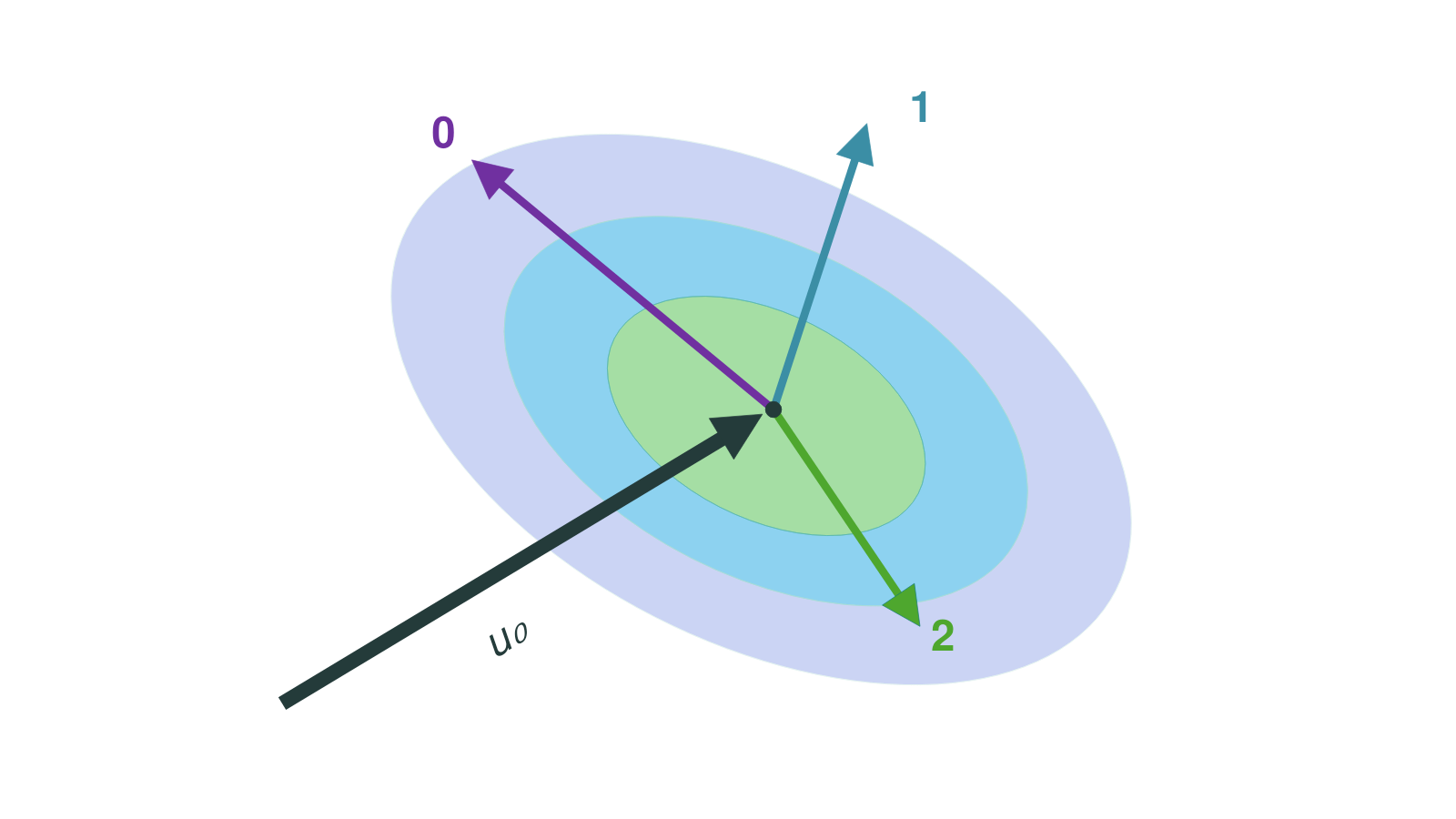
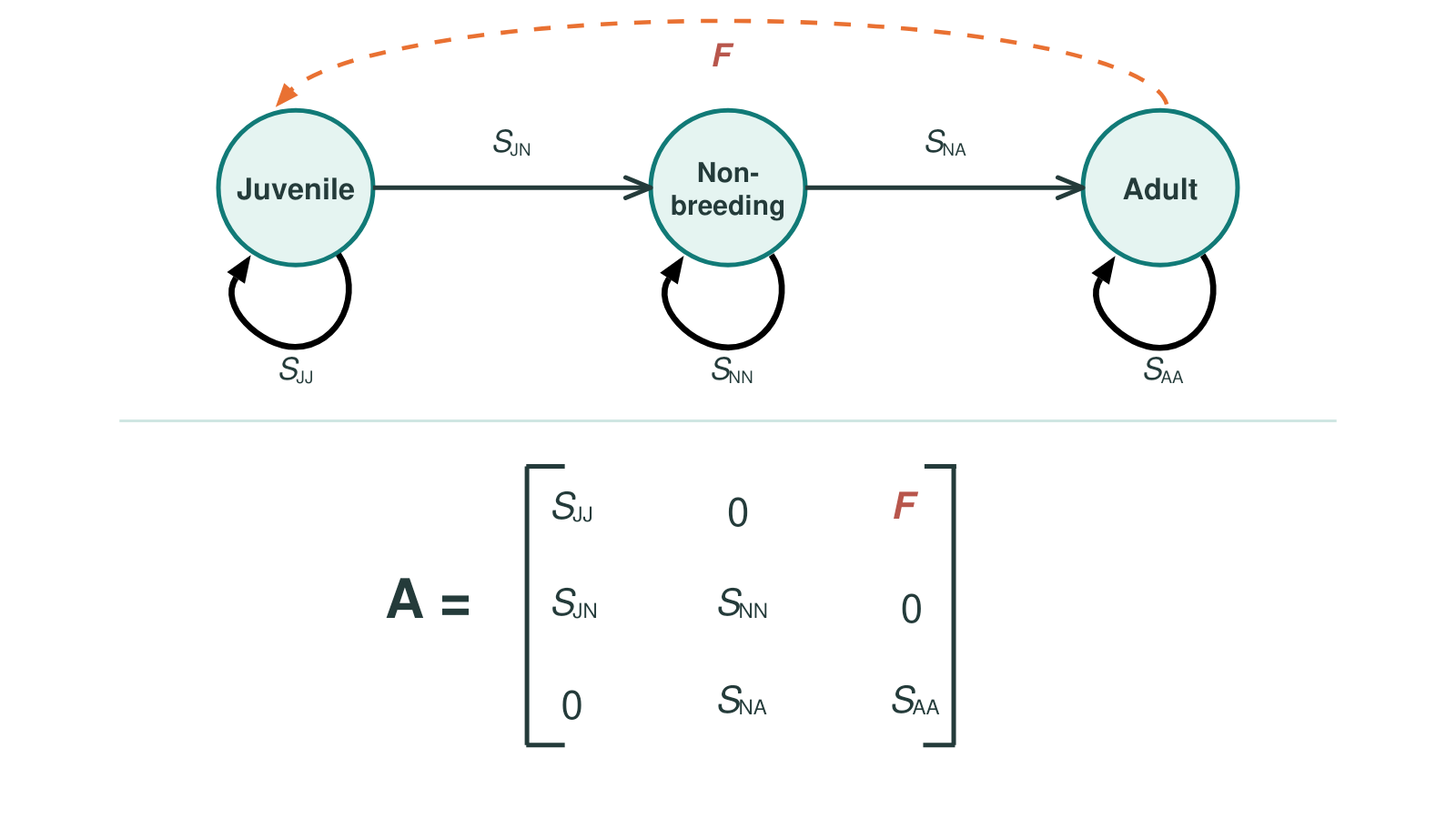
Environmental variability can affect populations through changes in survival, reproduction, and movement. I use matrix population models and life-history theory to examine how variation across time and space, together with density dependence, shapes population dynamics. Using long-term data from Soay sheep, I found that population density reshapes life-history trade-offs and the distribution of lifetime reproductive success. In spatially structured populations, we derived conditions under which temporal variability can favor migration even when one habitat is best on average. Across hundreds of animal and plant species, we found that reproductive dispersion scales proportionally with mean age of reproduction, whereas damping time increases more slowly.